Before cell phones, I was that guy. The guy who would bring his camera to concerts. It was a lot different back then. There really were not a lot of phones/cameras at shows. Yup, people really stood there and just watched the people they paid to see… perform. Crazy times.
But honestly, I loved bringing my point and shoot to shows. I would be devastated when security told me I couldn’t (Ariana Grande, TWICE, and Dave Chappelle/John Mayer, both shows I was near front row… would’ve been awesome). I loved having those memories captured so I could revisit them whenever I liked. I think most people have this same idea in mind whenever they pull out their phones today. I don’t think there are bad intentions like people claim today (“they only care about internet clout and likes!”). Now, would I rather have people put the phones down and just watch? Of course… but I’ll always be the guy that’ll take a video or two during a show.
In all my years being that concert guy with the camera, I never got paid to do it… UNTIL recently. The latest gig was to help provide video footage for a band’s show.
I chose this particular one because it had to do with videography, something that I really wanted to grow this year, so very convenient. My camera is for photography, but it’s mainly geared towards videography. I just haven’t gotten much video gigs because they’re really tough to find. A lot of social media videos can be achieved with today’s cell phone cameras, so finding people that want a “pro/cinema style” video is pretty tough. I’ve found jobs for weddings (because lovers won’t “cheap out” on that, even if it is for instagram), but you need… a portfolio… of wedding stuff. I haven’t found the opportunities do that yet, but I should at least do other video stuff in the meanwhile.
This gig was pretty simple. I had a responsibility to cover one side of the stage (there were other videographers working as well), mainly getting video of the performers, but also having the crowd in the foreground. Sounds chill, but after all these gigs, something’s bound to pop up.
After the long trek to San Jose (because every gig I do has to be an hour away), I arrive at the venue. I go inside to find out that it’s a little bigger than I thought. I was given example videos of shots to take for the band, and their other videos were done in smaller venues, guess the band is getting bigger, which is great but not as ideal for me.
I brought one lens: my trusty Sony 24-105 F4. I thought about bringing the big telephoto sigma lens with me, but figured it was too much and wouldn’t capture the crowd, which was expected of me. The 24-105 was versatile enough to handle whatever was needed. The only issue was the F4… I’ll get to that later.
I also brought some other equipment as well. Brought my photo tripod and I also got to finally bring my camera monitor. I invested in this monitor to help me shoot videos, but as I mentioned before, I never really had the chance… but I finally got to use it! Then I brought my three batteries (two off brand, one sony). I set up at my spot and was ready to go. The show started and… well… here we go again…
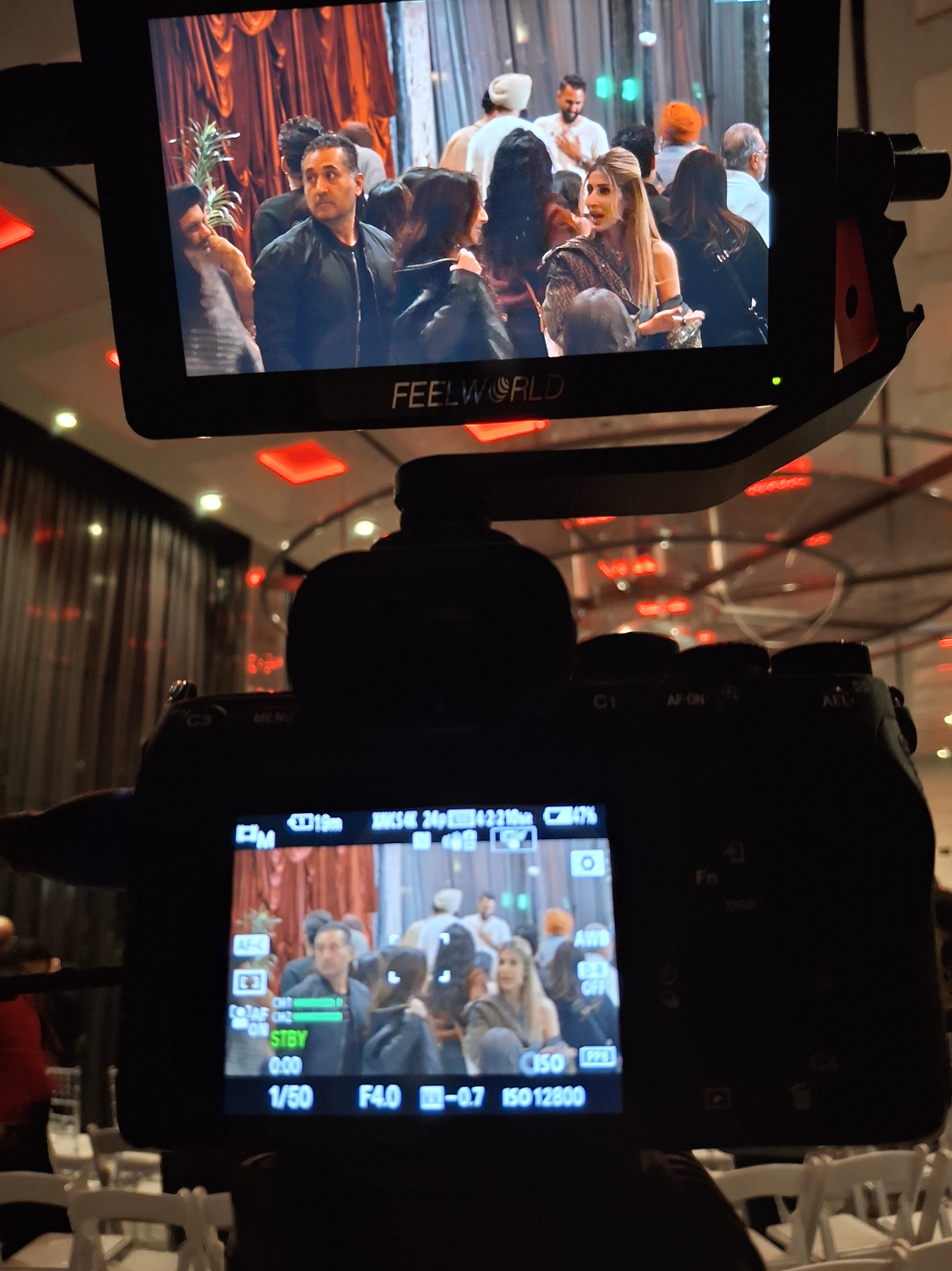
Low light is my enemy. I didn’t think it would be a problem at a show, with a stage… but for some reason when the lights dimmed and the stage “lights” went on, I was shocked to see the lighting on stage wasn’t super bright. It was bright enough to see the performers but it was pretty dim… almost like a cozy, intimate feel… not like a stand up comedian, bright light on your face feel. And damn man… really?
I was thankful that we shot at 24fps, so I put my shutter speed to 1/50, which is ok. But then I’m stuck at F/4, so I blasted my ISO all the way up to 12800, which was the highest native ISO for my camera. I won’t explain ISO, but it has to do with the sensor of the camera. Higher ISO’s mean it’s more sensitive to light, but it also introduces more “grain” due to the sensor… being more sensitive. However, at these native ISO’s, the grain is significantly lower. Why? I can’t explain that. It’s magic.
I’ve never shot over 12800 ISO, and wasn’t going to let this gig be the first time to experiment. So I stuck with 12800.
Now the other thing, I was shooting in S-Log. What is that? Well simply, S-log is a mode where your camera produces this “flat image” BUT this flat image contains a whole bunch of information/data that can be used to edit your videos better. For example, there are some shots where the sky is super bright or this shadow is super dark, you can’t really do much with it when editing. But with s-log, you can have more control over dark shadows and bright spots… as long as you shoot it correctly. You have to slightly overexpose s-log footage, BUT not too much or else the footage is toast. It’s this constant balancing act. Luckily, I have a lot of experience shooting in s-log and editing s-log. Everything is simple, but when it gets dark… it gets funky… like always.
So back to the show…
I’m shooting at 12800, f4, 1/50 s-log. I wasn’t able to get as much overexposure on the footage (I try to hover around +1.0), and I was mainly at just 0.0. However, looking at my monitor that I brought with me, the footage looked entirely fine to me. I even added LUT to give an idea what it would look like with editing, and it looked really really ok to me. So I stuck with it the entire show.
The other couple issues was battery and storage space. It was a 1.5 hour event. I’ve shot photos at long events, but I’ve never gone too long with videos. Luckily at 24fps it doesn’t take as much power/space, but I still had worries. For storage space, the camera at times would change how much space I had left, so it freaked me out. But towards the 2nd half of the show, it settled down and I had enough to survive the rest of the show, no worries. The batteries did pretty damn well. My rotation was going from my cheap off-brand batteries and then closing it out with my reliable Sony battery. Turns out, for two hours of camera work, I only used the two off-brand batteries, and they only used about 120%-ish total power combined (I switched way before it hit 0% to be safe). Very impressive.
The event finished, I took the long way home (crossing the bay bridge) and slept as long as I could. Next day I reviewed the footage and decided to edit some myself.
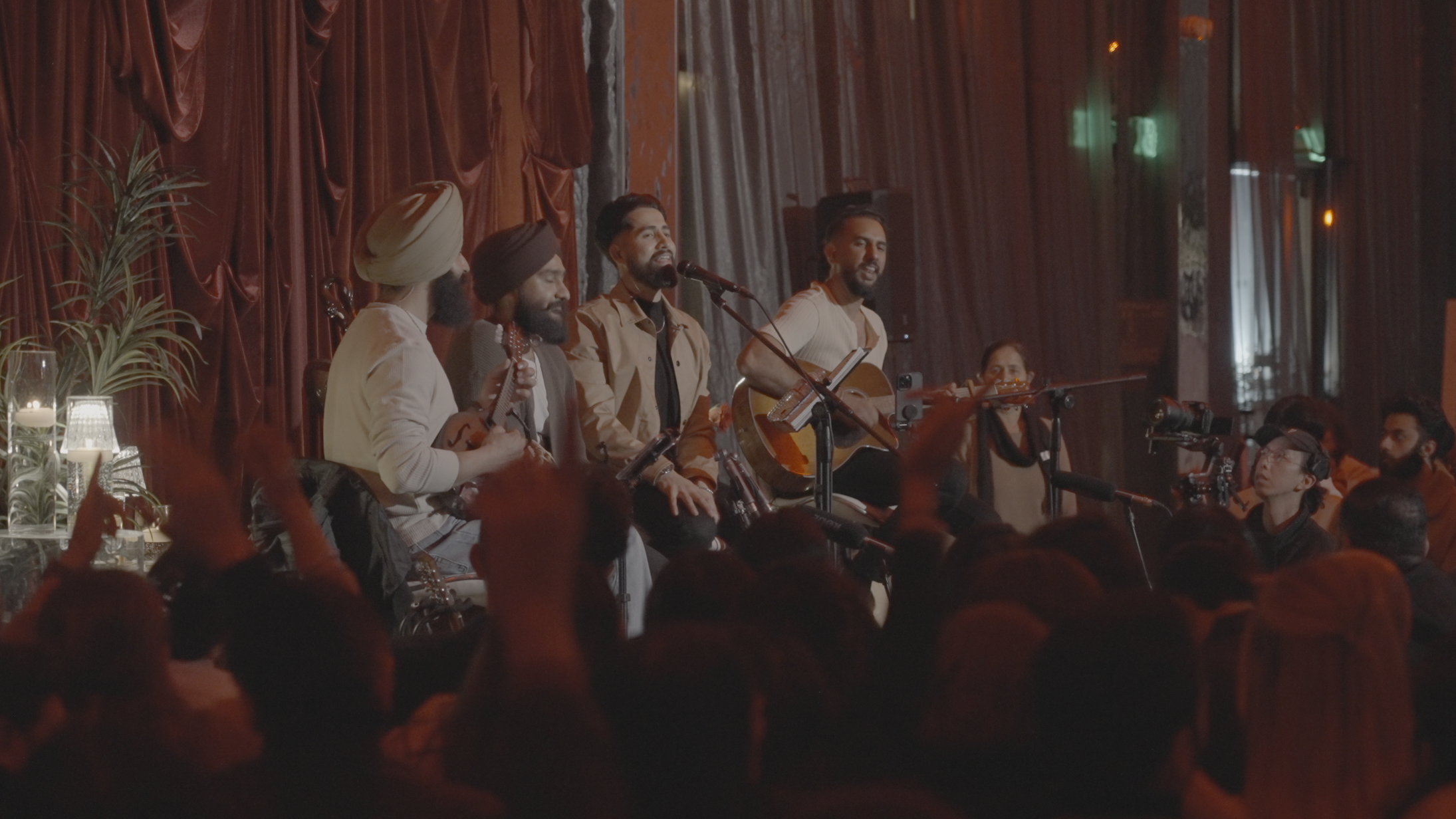
Here’s a screenshot taken from final cut pro, pre-edit (not a screenshot of the actual video). Pretty flat S-log image. Nothing over exposed, because the idea when editing is to lift up the image highlights and then take down the shadows (s-curve stuff). This gives you a contrast image, if that’s the look you want. People love shadows.
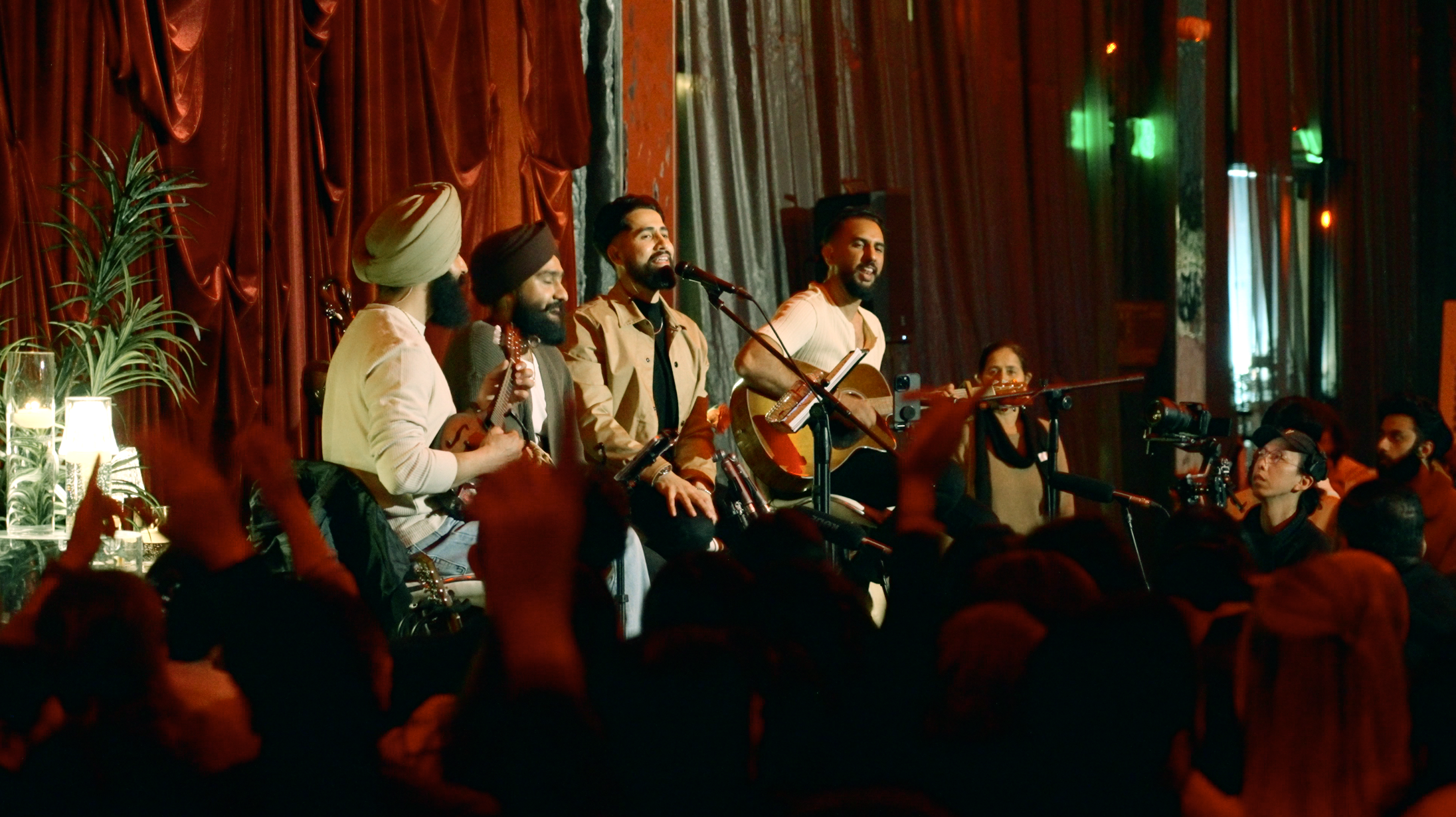
Here’s my edit on it. Highlights up, shadows down. Pretty chill. But when you boost this image to 4k resolution, the grains really pop up. All the grains that came about from raising the ISO can be seen. The image is not as sharp, and a bit fuzzy. Now… some people like this. Vintage grainy film looks are always pretty trendy. I like it too, and have even added grain to some of my videos to make it look… rugged. Sometimes you want it to look clean. Sometimes you want it to look rough. It’s all on the person editing, and in this case, it ain’t me. I personally think it looks cool, has nice character… but again, it’s the person editing their video.
You can get rid of the grain by going pretty extreme, here’s an example using custom LUT’s (settings made by other people).
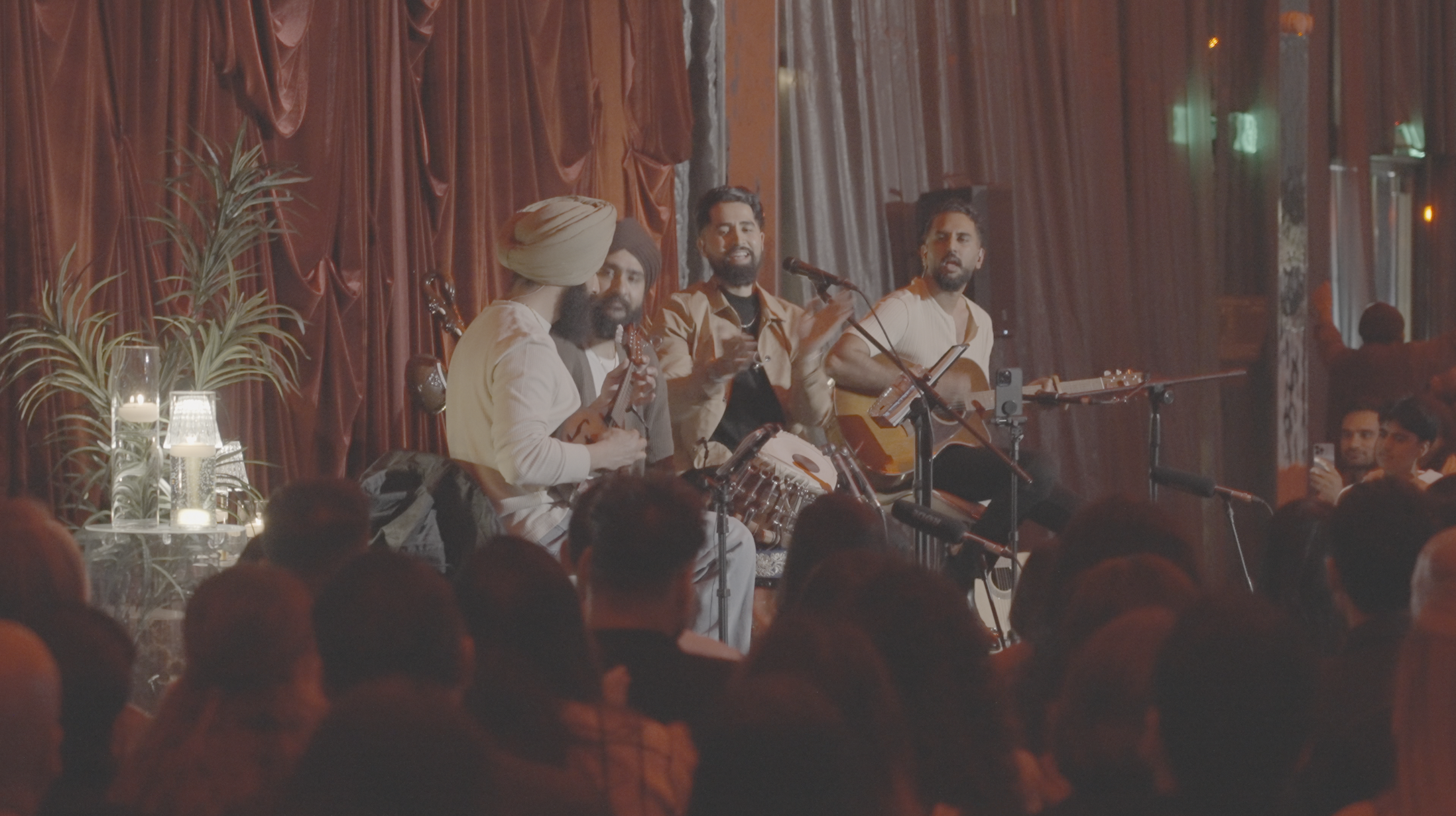
and then
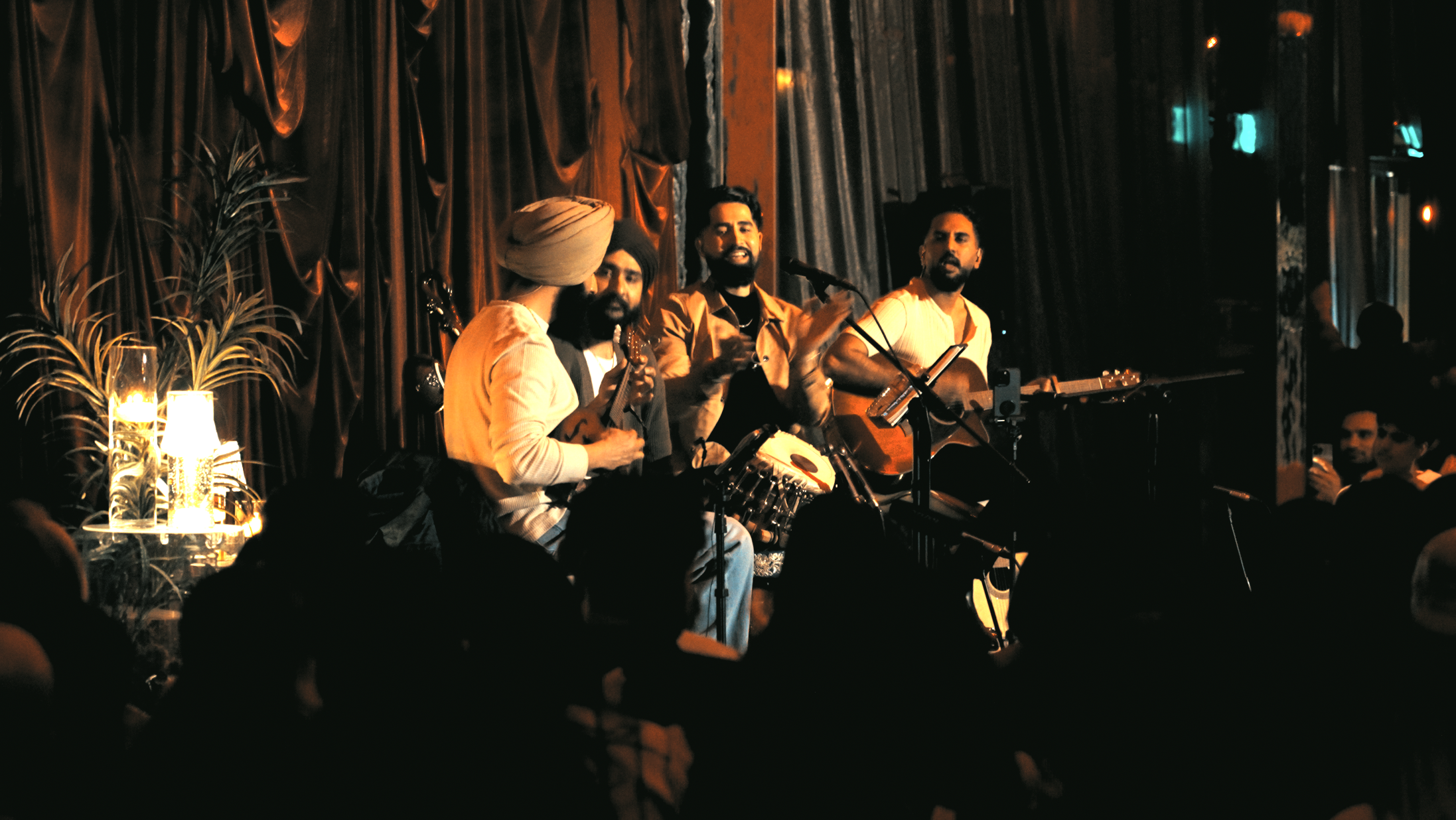
Here the shadows are pushed wayyy down and the highlights are pushed a bit up, creating this extremely contrasted image. Look at the candles on the left. Pre-edit you can see the details, and post-edit that detail is blown up. The shadows of the crowd are harsher, making it tougher to see details in the crowd. Again, some people like it and some people don’t. It all comes down to the image the editor wants.
Here’s another go at it, with a LUT and some contrast:
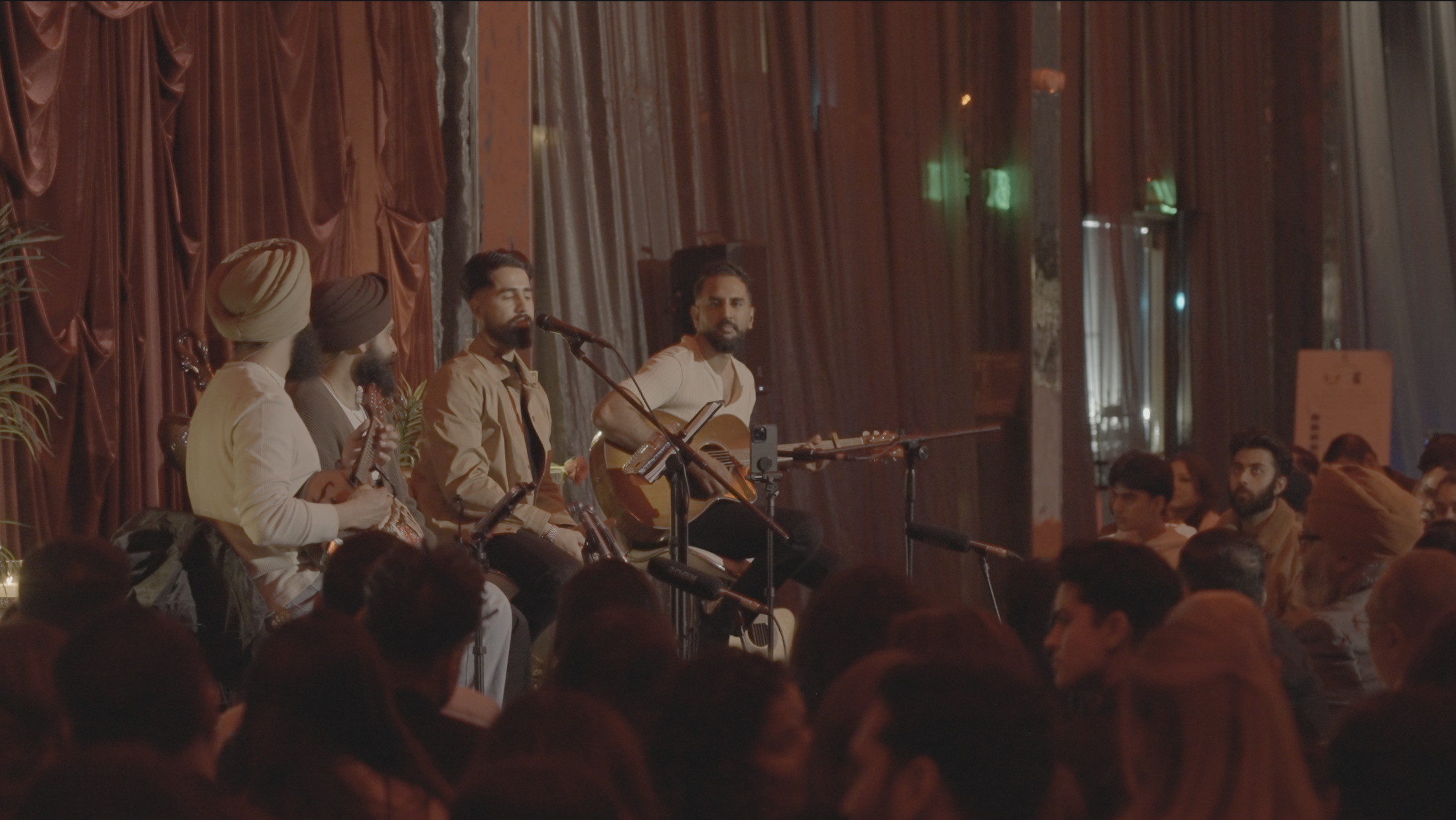
Then:
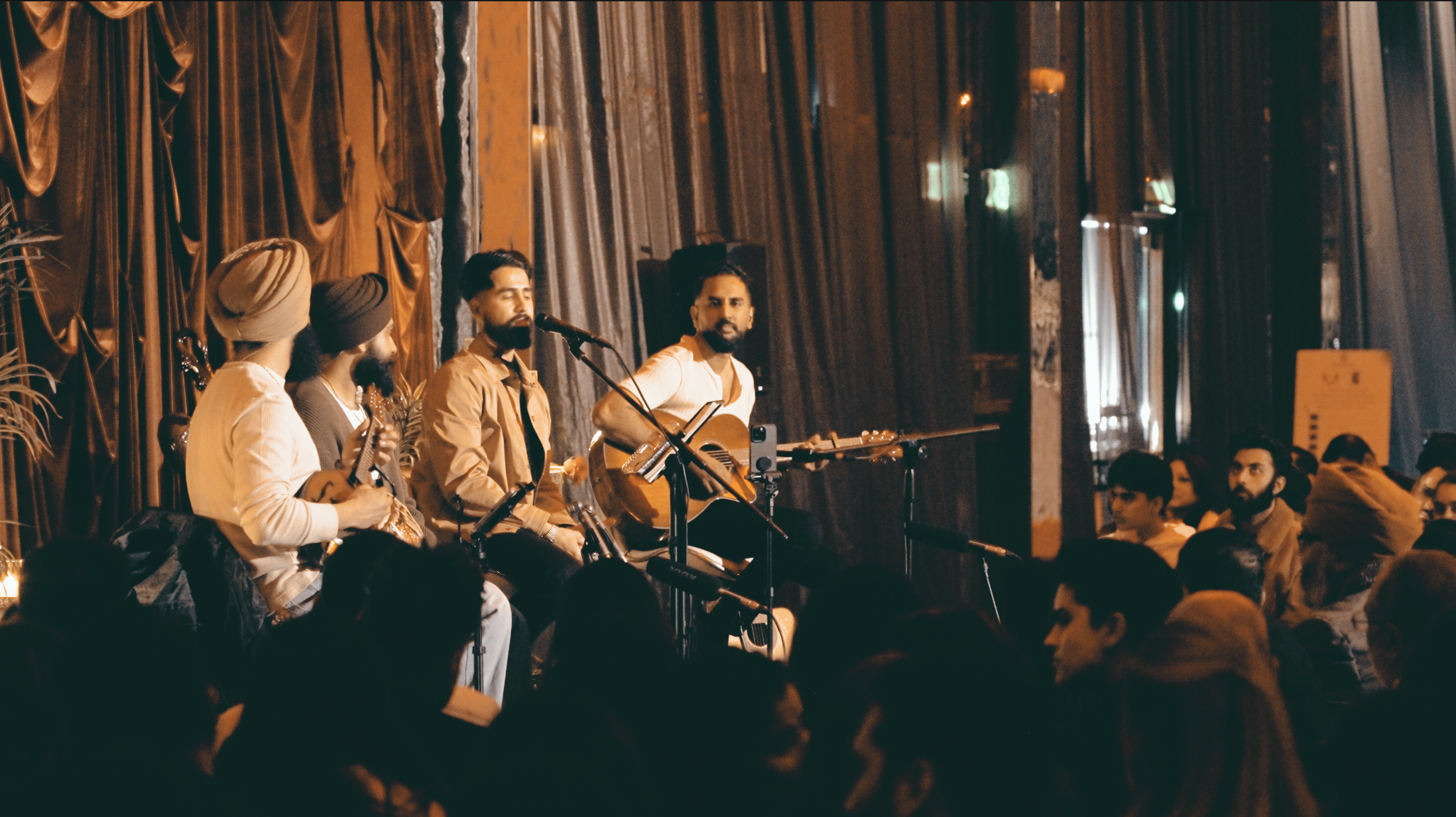
Shadows up a little bit more, but still with contrast (not as harsh). Lower saturation from LUT.
Overall, it was a huge learning experience for my first video gig (technically not my first video gig, but first paid gig). I’m a little more comfortable doing videos.
Lessons?
I’m tired of low light. I’m getting murdered in low light. Maybe investing in the 70-200mm f2.8 will help me big time going forward. Every single camera gig I’ve had so far, I’ve been begging for a low light lens that can handle everything. I might just have to do it. To the next gig…


